• How To Improve Your Bunker Shot Confidence

    Bunker shots can be tough, but you can boost your confidence. Start with your mind. Picture yourself hitting great shots. This helps you beat fear and build confidence.

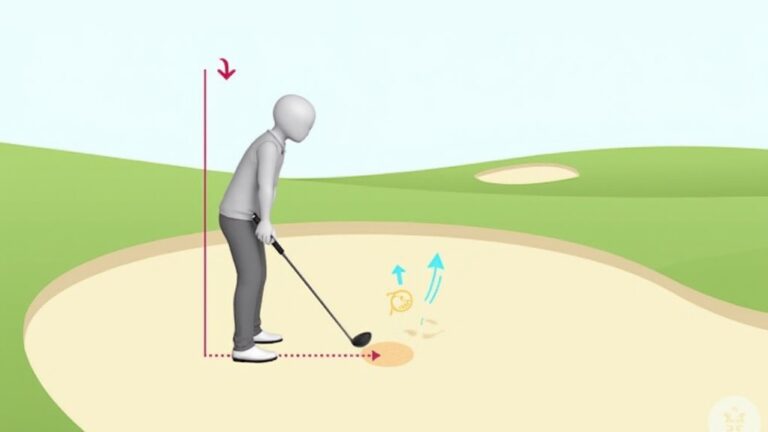
    Next, set up properly. Place the ball a bit forward in your stance. Stand wide, with your feet in the sand. Keep your grip loose. Aim to hit the sand 1-2 inches behind the ball. This helps you make a controlled swing.

    Practice often. This builds muscle memory. Track your progress in a journal. Connect with other golfers. Share tips and experiences. These steps will help you improve your bunker shots. You can do it!


  • Timing Vs Power: What Matters More In Golf

    Golf needs both timing and power. Each plays a big role in how well you hit the ball. Timing helps you move your body in sync. This makes your swing better. Power helps you hit the ball farther and more accurately.

    Focus on timing first. It can help you make more consistent shots. You can practice this with rhythm drills. These drills help you find your groove. Also, look at videos of your swing. This helps you see where you can improve.

    Next, work on your power. Stronger swings give you more distance. Try exercises that improve your wrist release and body movement. These will help you hit the ball harder.

    Balance is key. Too much focus on one can hurt your game. Aim to blend timing and power for the best results. Find ways to make both work together. You will see better performance on the course.

  • The Fundamentals Of A Solid Follow-Through

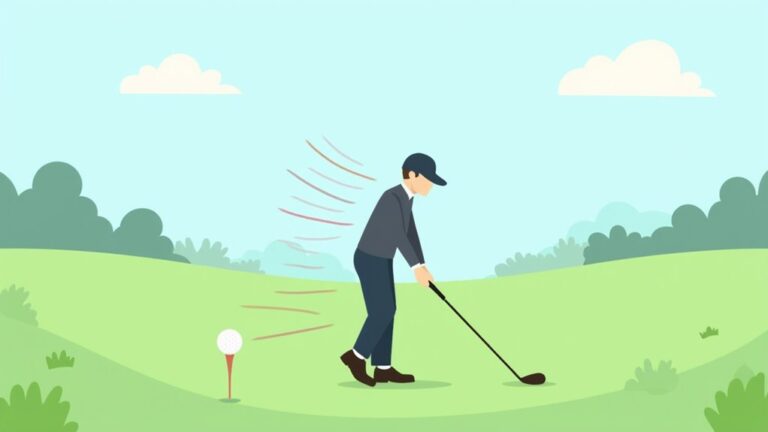
    A solid follow-through is very important for good golf shots. Your club should finish behind your head. Keep your hands at shoulder height. Shift about 80% of your weight to your front foot. Your back heel should lift as your chest faces the target. Stay balanced by keeping a steady spine angle.

    Common mistakes happen a lot. Many golfers forget to transfer their weight properly. Some stop too suddenly. These mistakes can hurt your game.

    You can use drills to get better. Practice helps you follow these tips. Focus on your follow-through to improve your shots. Good follow-through leads to better performance on the course.

    Keep working on it. Each shot is a chance to get better. Stay confident and enjoy your game!

  • How Grip Pressure Affects Your Shot Outcome

    Grip pressure affects your shot outcome a lot. It helps balance control and tension in your swing. For the best performance, keep your grip pressure between 4 and 6 on a scale of 1 to 10.

    A grip that is too tight stops your wrists from moving. This slows down your clubhead speed and takes away power. On the other hand, a relaxed grip allows smoother swings and improves accuracy.

    Practice using different grip pressures during your training sessions. Consistency is key before each shot. You can explore how small changes can make a big difference in your golf game.

    Remember, a good grip helps you play better. Keep it balanced for a great swing!

  • Understanding Weight Transfer In The Golf Swing

    Understanding weight transfer in your golf swing is key. It helps you hit the ball farther and straighter. Start with a balanced stance. Keep your weight even on both feet. This is a 50/50 distribution.

    During your backswing, shift your weight to your back foot. This helps build power. Move your weight smoothly to your front foot when you swing down. This transfer is crucial for a strong hit.

    Use a wider stance with your driver. It gives you more stability. For irons, a narrower stance is better. It helps you control the shot.

    Master these tips to improve your shots. Better weight transfer leads to better performance. Practice often to see real improvement. Enjoy your game!

  • Using Alignment Sticks To Improve Accuracy

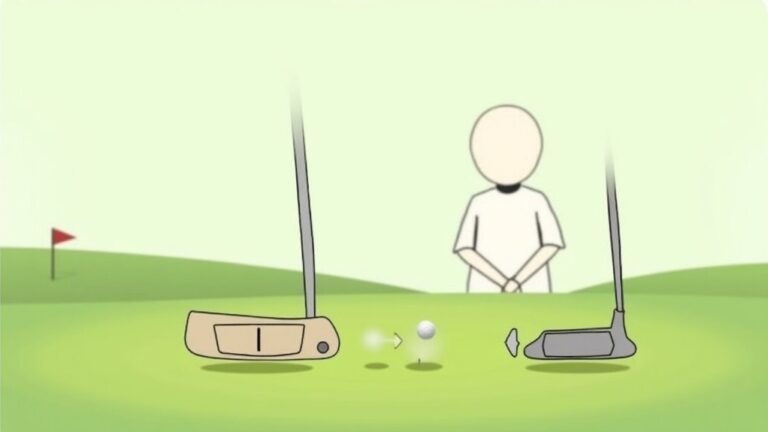
    Using alignment sticks can greatly improve your golf accuracy. Start by placing one stick on the ground between your feet and the ball. Point it toward your target. Next, put another stick beyond the ball. This helps you check your alignment.

    Practice regularly with these sticks. They help you aim better and improve your swing path. Many golfers notice big changes in their game when they use alignment sticks. You will, too!

    As you keep practicing, you will find more tips and tricks to help you play better. Keep it simple. Keep it fun. You’ll see great results!

  • How To Read Greens Like A Pro

    To read greens like a pro, start by checking the green from a distance. Stand about 25-30 yards away. This helps you see the slope and where the high and low points are. Look at the direction of the grass, known as grain.

    Next, walk behind the ball. This gives you a clear view of the slope. You can see how the ball will move. Picture the path of your putt. Think about how hard you need to hit the ball and what path it will take.

    Make a routine. Keep your grip relaxed. Take a few practice strokes to feel comfortable.

    After each putt, think about what went well and what didn’t. This helps you get better for next time. Keep practicing, and soon you will read greens like a pro!

  • The Role Of Tempo In A Smooth Golf Stroke

    Tempo is very important for a smooth golf stroke. It helps with timing and rhythm. Aim for a **3:1 ratio** in your swing. This means three counts for your upper backswing and one count for your downswing. This method makes your swing strong and controlled.

    Do not rush your takeaway. Take your time. A light grip on the club helps too. It makes your movements feel more fluid.

    Have a consistent pre-shot routine. This routine helps you focus and feel ready. You can even use a metronome while practicing. It helps keep your tempo steady.

    Understanding these tips can improve your golf game. Practice them regularly to see better results. Enjoy the game and have fun!

  • How To Build Consistency In Your Golf Swing

    To build a consistent golf swing, focus on these five important parts:

    1. **Proper Setup**: Check your grip. It should feel neutral. Stand parallel to your target. Place the ball where it fits your club length.

    2. **Takeaway**: Keep the clubface square. Move smoothly in one piece.

    3. **Backswing**: Turn your shoulders 90 degrees. Keep your head still.

    4. **Downswing**: Position your hands ahead of the ball. Aim for a downward strike.

    5. **Follow Through**: End your swing balanced. Shift your weight to your lead foot.

    Master these parts for a better swing. Consistency leads to improved performance. Take your game to the next level!

  • What Makes A Putter Face Balanced Or Toe Weighted

    A putter’s balance is important for your game. It can be face balanced or toe weighted. The design of the putter decides its balance.

    Face-balanced putters stay level when you hold them. This type is best for straight-back-and-through strokes. They help you keep your path straight.

    Toe weighted putters tilt down at the toe. They work well for arcing strokes. This type helps you create a nice curve in your swing.

    Two main features affect balance: hosel design and head weight. The hosel connects the shaft to the putter head. Different designs give different feels when you putt. Head weight adds stability and control to your stroke.

    Understanding these features helps you pick the right putter. Choose one that matches your style. A good fit can improve your game.

    Next, you can learn about fitting and customizing your putter for even better results.

  • The Science Behind Golf Ball Dimples

    Golf ball dimples are very important for how the ball flies through the air. These small bumps help the ball move better. A typical golf ball has between 300 to 500 dimples. The best number of dimples is 336.

    Dimples make the air around the ball move in a special way. This movement reduces drag, which means less resistance against the ball. It also increases lift, helping the ball go farther. A dimpled golf ball can fly twice as far as a smooth one.

    Designing better dimples can improve how well the ball performs. This means players can hit better shots and score lower. Understanding how dimples work is key to better golf play. Remember, the right dimples can make a big difference in your game!

  • How Humidity Impacts Golf Ball Flight

    Humidity affects how a golf ball flies. When the air is humid, it becomes less dense. This lighter air can help the ball travel a bit farther. For example, when humidity is at 90%, a 6-iron might go less than a yard farther.

    The humid air allows the ball to stay in the air longer. This effect is real, but it is small. Temperature plays a bigger role in how far your ball goes. A 10-degree increase in temperature can add about 2 yards to your shot.

    Knowing how humidity and temperature work helps you play better golf. Check out other factors that can affect your game for more tips!