• How Golf Helps Build Mental Resilience

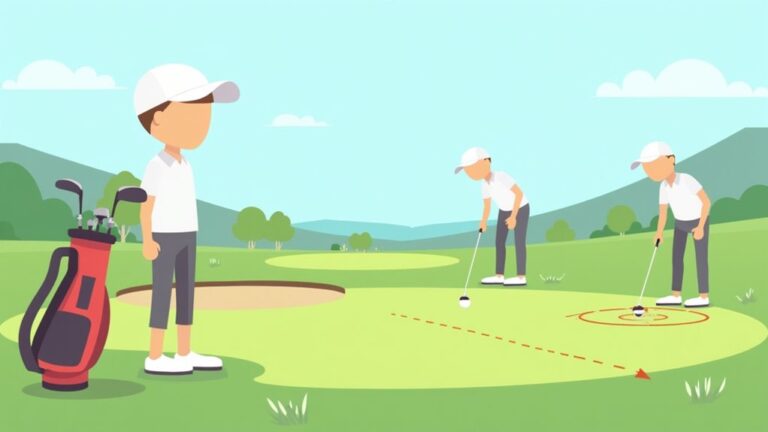
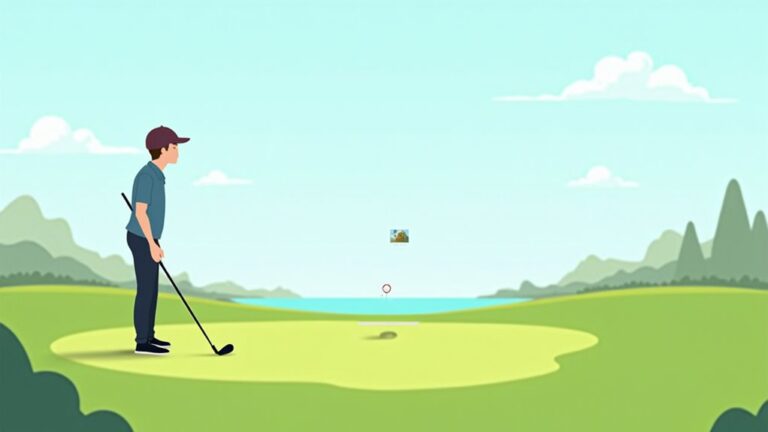
    Golf builds mental strength. It helps you control your emotions and think better. You can learn to handle stress and focus more. Try using simple mindfulness tips. One helpful tip is the 60-Second Emotional Recovery Protocol. This helps you calm down when you feel stressed.

    Mistakes happen. See them as chances to learn. Every time you miss a shot, think about what you can do better next time. A good pre-shot routine can help keep you calm. It gives you a clear mind before you hit the ball.

    Golf also teaches you to adapt. Courses can change. Weather can affect your game. Learn to strategize and overcome these challenges. This skill is useful not just in golf but in life too.

    Want to perform better? Work on your mental resilience. With practice, you can be strong on and off the course. Embrace the process. Enjoy the game.
  • How To Handle A Ball Landing On A Cart Path

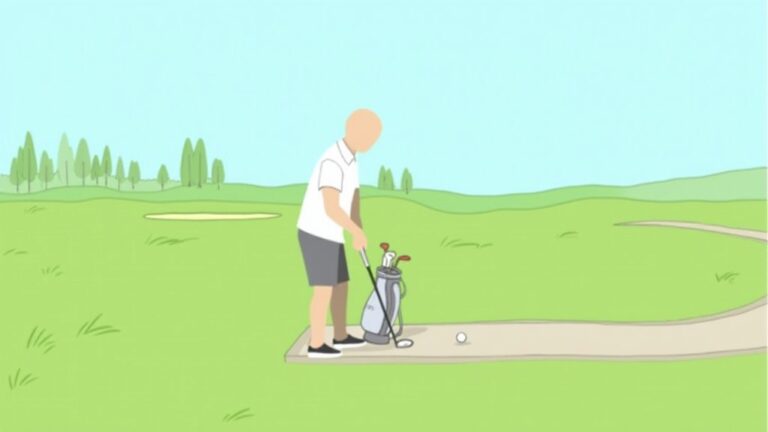
    Your ball lands on a cart path. What should you do? Follow these steps for relief.

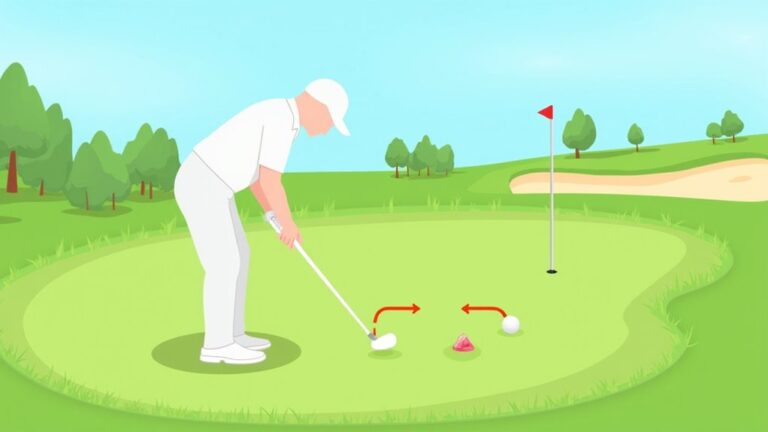
    First, find the nearest point of relief (NPR). This is where you can stand and swing without hitting anything. Next, use one club-length from the NPR to find your drop area.

    Drop your ball at shoulder height. If it lands back on the path, drop it again. Make sure it does not roll closer to the hole.

    Remember, this is important. Knowing the rules can help you avoid mistakes. Understanding your options can also help you play better golf. Enjoy your game!

  • Difference Between Stroke Play And Match Play

    Golf has two main ways to play: stroke play and match play. Knowing the difference is important for every golfer.

    In stroke play, every stroke counts. You add up all your strokes after 18 holes. The player with the lowest total wins. This type rewards precision and consistency. It’s about how well you play overall.

    Match play is different. It focuses on individual holes. You win a point for each hole you win. If you win more holes than your opponent, you win the match. This style can be more exciting because every hole matters.

    Penalties also differ. In match play, you can lose a hole for breaking a rule. In stroke play, you get extra strokes added to your score.

    Understanding these styles helps you develop better strategies on the course. Whether you prefer stroke play or match play, know the rules and enjoy the game!

  • Rules For Playing From The Rough Explained

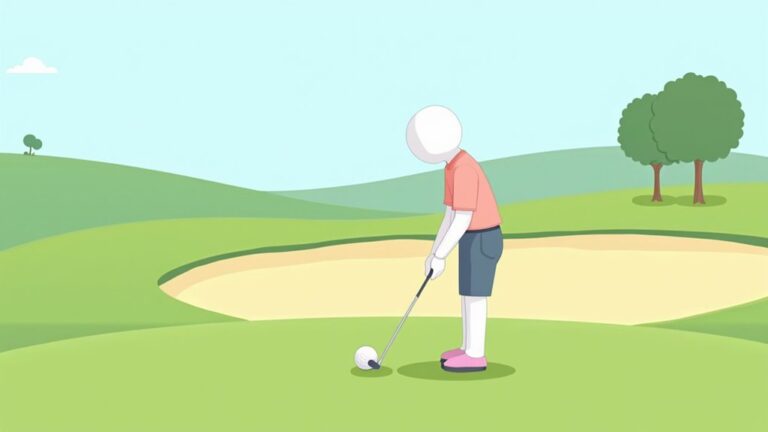
    Playing from the rough can be tough. Knowing your lie is key. First, check the grass type. Fluffy grass needs a higher loft club. This helps the ball lift. Buried lies need a steeper swing. Position the ball back in your stance for better contact.

    Use the right clubs. Hybrids or higher lofted irons work best in rough areas. Grip your club firmly. Focus on a smooth swing. These tips can help you hit the ball better.

    Master these skills. You will see improvement in your game. Good luck out there!

  • Understanding Ground Under Repair In Golf

    Understanding Ground Under Repair (GUR) is important for all golfers. GUR areas are marked on the course because they are damaged or being fixed. These areas are not playable.

    If your ball lands in GUR, you can take relief. This means you can move your ball to a better spot. First, find the nearest point of relief. This is where your ball can rest without being in GUR. You can drop your ball within one club length of that spot. Make sure it is not closer to the hole.

    Sometimes you might not find your ball in GUR. If this happens, you need to follow local rules to continue your game.

    Knowing how to handle GUR will help you play better. You can avoid penalties and keep your game moving. Enjoy your time on the course!

  • What To Do When You Lose A Ball Mid-Round

    Losing a ball during a round of golf can be frustrating. Follow these steps to handle it smoothly.

    First, search for your ball for three minutes. This gives you a fair chance to find it. If you don’t see it, go back to where you last hit the ball. You will take a stroke-and-distance penalty. This means you add one stroke to your score and hit again from the previous spot.

    Before you search, think about using a provisional ball. This can save you time and keep the game moving along.

    After you deal with the lost ball, focus on your next shot. Take a deep breath. Stick to your pre-shot routine. This will help you stay calm and focused.

    Adjust your strategy for better play. Stay positive. Remember, every golfer faces this situation. Keep playing and enjoy the game!

  • Rules About Marking And Lifting Golf Balls

    Marking and lifting a golf ball is important. Follow these rules to avoid penalties. First, use a marker or your club to mark the ball’s spot. Only you or your caddie can lift the ball. Talk to each other clearly.

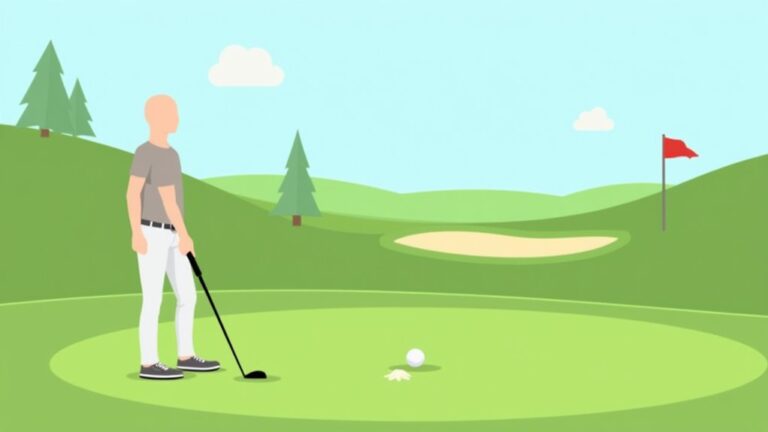
    Once you lift the ball, you can clean it. Check for damage only if the rules allow. Replace the ball in the exact spot where you lifted it. If you need to drop it, do so from knee height in the relief area.

    Remember these simple steps. They help you play better golf. Enjoy your game and keep practicing!

  • How To Keep Accurate Score In Golf

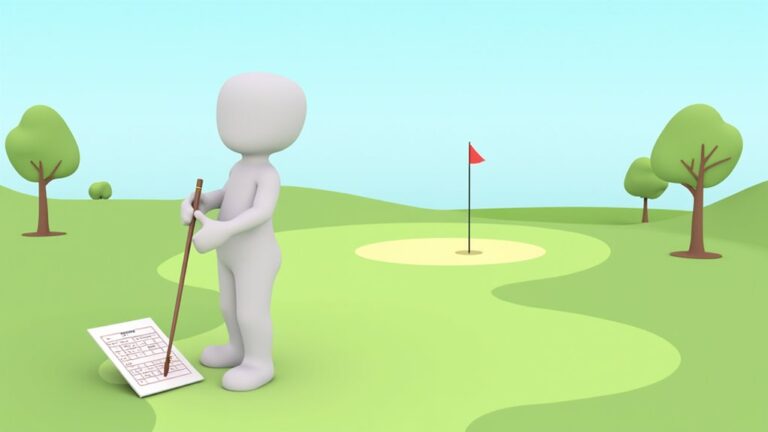
    Keeping score in golf is important. Record your strokes right after each hole. Use a scorecard to note your gross score. This is the total strokes you took. To find your net score, subtract your course handicap from your gross score.

    Know the par for each hole. Par tells you how many strokes an expert golfer needs. Remember to add any penalty strokes for mistakes. Always check your scores with your playing partners. They can help you avoid errors.

    Keeping detailed records is smart. It helps you see how you improve over time. You’ll also find good ways to make your game better. Enjoy the game and have fun!

  • What Is A Mulligan And Why It’s Not Official

    A Mulligan is a fun term in golf. It lets players take a shot again without a penalty. This makes the game more enjoyable and relaxed. Many players use Mulligans, but they are not part of the official Rules of Golf.

    Most golfers decide how many Mulligans to use before a game. They might agree on one Mulligan for every nine holes. Some players only allow it on the first tee. Knowing how and when to use Mulligans can make your time on the course better.

    Using Mulligans can help players feel less stressed. It encourages having fun instead of worrying about mistakes. Golf is about enjoying the game with friends. So, don’t hesitate to use a Mulligan if everyone agrees!

  • Understanding The Out Of Bounds Rule In Golf

    Understanding the out of bounds (OB) rule in golf is important for all players. A ball is out of bounds only when it is completely outside the course boundary. If any part of the ball touches the boundary line, it is in play.

    What happens if your ball goes OB? You must go back to where you last hit the ball. You add one penalty stroke to your score. This rule can change your game, so pay attention!

    You can also use a provisional ball. This means you hit another ball if you think your first ball is out of bounds. This saves time and keeps the game moving.

    Local rules may vary by course. Check these rules before you play. Knowing them can help you avoid mistakes.

    Understanding these rules makes golf more enjoyable. Keep learning about the game to improve your skills. Enjoy your time on the course!

  • How Penalty Strokes Are Assessed In Golf

    Golf can be fun, but it has rules. Sometimes, you can get penalty strokes. These strokes add to your score. Let’s break down how it works.

    You get a one-stroke penalty in a few situations. If you declare your ball unplayable, that means you think you can’t hit it. If you lose a ball or hit one out of bounds, that also gives you a stroke. Accidentally moving a ball that is resting? That’s another one-stroke penalty.

    Two-stroke penalties are a bit more serious. If you play a wrong ball, you get two strokes. Moving loose impediments the wrong way can also cost you two strokes. If you don’t replace a moved ball as you should, that’s another two-stroke penalty.

    Knowing these rules is important. It helps you keep your score low. Want to play better? Read more about these rules. Learn from examples. Avoid penalties and improve your game.

  • Visualization Techniques To Improve Golf Focus

    Want to improve your golf focus? Try using visualization! Start by picturing your shots before you play. Imagine your target clearly. Think about how the ball will fly and your swing.

    At the driving range, spend 10-15 minutes on this. Visualize each shot before you hit it. Pay attention to your grip, stance, and follow-through. Focus on the whole process, not just the result.

    Make visualization a part of your pre-shot routine. Picture the shot’s path and what you want to achieve. This practice can help you stay calm and confident. Remember, a strong mental game can lead to better shots on the course!